09 November 2026
How to Discover the Right Balance of Freedom and Assistance in Senior Living
Presented by @damienvipi221
Business Name: BeeHive Homes of Santa Fe NM
Address: 3838 Thomas Rd, Santa Fe, NM 87507
Phone: (505) 591-7021
BeeHive Homes of Santa Fe NM
BeeHive Homes of Santa Fe NM is a premier Santa Fe Assisted Living facilities and the perfect transition from an independent living facility or environment. Our Alzheimer care in Santa Fe, NM is designed to be smaller to create a more intimate atmosphere and to provide a family feel while our residents experience exceptional quality care. We promote memory care assisted living with caregivers who are here to help. Memory care assisted living is one of the most specialized types of senior living facilities you'll find. Dementia care assisted living in Santa Fe NM offers catered memory care services, attention and medication management, often in a secure dementia assisted living in Santa Fe or nursing home setting.
3838 Thomas Rd, Santa Fe, NM 87507
Business Hours
Finding the right balance in between freedom and assistance is one of the most personal decisions a family members can make. It is rarely a basic concern of whether someone can live alone or requires more assistance. Regularly, it is a matter of how much framework an individual desires, how much help makes life safer, and just how to protect self-respect without leaving a person isolated or overwhelmed.
That balance looks various for every older adult. One person might still drive, handle medicines, and cook most meals, but feel uneasy about being alone after a recent fall. One more may be socially engaged and literally stable, yet battle with laundry, home cleaning, or keeping in mind appointments. A third may appear flawlessly independent on the surface while quietly missing meals, missing dosages, or taking out because daily tasks have come to be stressful. Senior living functions best when it replies to those truths as opposed to requiring people into inflexible categories.
Families frequently start the search with a practical inquiry such as "What is the best assisted living near me?" or "Where can I find senior care near me that will not eliminate Mom's freedom?" Those are clever questions. The ideal community should not feel like a location where liberty ends. It ought to feel like a setup that gets rid of friction, minimizes risk, and offers individuals space to maintain living in their very own way.
Independence is not the like doing everything alone
A lot of households relate independence with total self-sufficiency, but that is also slim. Genuine freedom has to do with having control over choices, regimens, and individuality. It is not about verifying that someone can manage every job without help. In fact, the most independent people in senior living are frequently the ones who approve assistance in the appropriate areas so they can remain energetic in the locations that matter most.
A retired educator that no more wants to clean shower rooms every Saturday might still be very independent if she chooses her dishes, participates in workout classes, reads daily, and sees her grandchildren on her very own terms. A widower who requires assist with drug tips may still run his financial resources, determine when he wants to get up, and invest his afternoons horticulture. The assistance exists to make life easier, not to reduce it.
That distinction matters since families occasionally wait too lengthy to look for aid. They presume that if their parent is still managing to get by, any type of action right into senior living would be a loss of liberty. In technique, the reverse is commonly true. The best level of senior care can restore flexibility by getting rid of the low-grade anxiety that gnaws at daily life.
The signs that assistance is becoming necessary
The requirement for assistance normally shows up in small ways before it comes to be evident. An individual may start purchasing grocery stores much less often since the store feels tiring. They might keep duplicating the very same story because medicines or rest concerns are impacting memory. Expenses might go unpaid, or the fridge may hold ran out food and nothing else. A family member might see bruises, a stronger smell of pee, or a brand-new reluctance to shower.
Not every indicator means a step is essential, and not every challenge points to assisted living. Still, patterns matter. The question is not whether someone has a bad day. It is whether those bad days are ending up being much more usual and a lot more dangerous.
A couple of areas deserve very close attention. Autumns are one of the clearest indication, especially if they happen more than as soon as or if the individual starts limiting activity out of concern. Missed medicines can result in preventable medical facility visits. Poor nutrition may turn up as weight loss, weak point, or meals that are primarily treats. Social withdrawal can be equally as serious, due to the fact that isolation frequently affects state of mind, rest, and inspiration in manner ins which households underestimate.
Sometimes the hardest idea is the person's very own habits. If they begin declining invitations, avoiding stairways, missing bathing, or leaving the cooktop neglected, the issue is no longer just comfort. It is safety and lifestyle. Senior living alternatives exist precisely for these moments, when a little support avoids much larger problems later.
Matching the setting to the person, not the label
Families usually start by contrasting house sizes, meal strategies, and activity schedules. Those matter, however they are not the whole image. The much better inquiry is exactly how a neighborhood sustains freedom in everyday life.
Assisted living, for example, is not a one-size-fits-all response. A strong assisted living community helps homeowners with bathing, clothing, transportation, medicine suggestions, and dishes while still providing control over their timetable, their visitors, and their individual regimens. Good neighborhoods comprehend that support should be discreet and foreseeable. Locals ought to really feel assisted, not managed.
That is especially important for individuals that have actually spent a lifetime making their very own decisions. If an area is as well regimented, it can really feel infantilizing. If it is also loose, locals might not obtain the consistency they need. The best fit generally beings in the middle. Meals are offered, but the resident can choose when to eat. Aid neighbors, yet not invasive. Activities are there, but nobody is compelled to join.
Some family members looking for assisted living near me are surprised by just how much variation exists from one neighborhood to the following. One residential property might have a warm, home-like atmosphere with adaptable regimens. Another may be much more structured and service-heavy. The difference can be remarkable. The ideal option depends much less on marketing language and more on everyday lived experience.
Where independence can quietly disappear
It is very easy to focus on physical needs and overlook the means independence deteriorates in ordinary routines. A senior might still have the ability to stroll throughout the space, however the house itself may have come to be an obstacle. Lengthy hallways, hefty laundry baskets, high stairs, and hard-to-reach cabinets can turn straightforward jobs into a collection of small defeats.
There is additionally emotional disintegration. When a person begins relying on one adult child for each grocery journey, every prescription refill, and every appointment, they may really feel as though they have actually come to be a concern. That sensation can result in resistance, defensiveness, or even rejection. Families often blunder that response for stubbornness. Often it is despair. The person knows, at some degree, that the life they are used to is changing.
Senior living can soothe that stress by sharing the lots. A resident does not have to ask a little girl to come over after work to transform a lightbulb, or wait till a child has time to bring lunch. The community takes in a lot of those everyday tasks, which can enhance the partnership between older adults and their families. Visits become much more about discussion and less about errands.
That change is among the least gone over benefits of senior care. When assistance is developed into daily life, member of the family commonly stop feeling like unsettled situation supervisors. They can return to being boys, little girls, partners, and grandchildren.
Support must be flexible, not total
There is an actual distinction between receiving assistance and losing agency. The objective is not to eliminate responsibility from an older grownup. It is to help them keep the components of life they can and want to handle, while decreasing the worry of tasks that have actually ended up being tough or risky.
This is where knowledgeable senior care companies gain their maintain. They do not simply fill out gaps. They observe exactly how an individual moves, eats, rests, socializes, and reacts to transform. A great care group notifications when somebody begins taking longer to gown, when state of mind dips after a drug adjustment, or when a resident that made use of to go to every card video game has actually stopped boiling down for lunch. Those monitorings assist families readjust assistance prior to there is a crisis.
The finest neighborhoods likewise understand that assistance requires change gradually. A resident that goes into with marginal help might eventually need much more. An additional might boost after rehabilitation and require less. That adaptability issues due to the fact that senior living is not a single event. It is a transforming setup, and the right neighborhood should be able to adapt without making the resident feel like a problem to be solved.
In some situations, respite care can help families examination that balance before making a long-term move. A short stay gives everybody a possibility to see exactly how an older adult reacts to structured assistance, social involvement, and a much safer setting. It also offers caretakers a rest, which can be just as crucial. A week or more of respite care can reveal greater than months of discussion at the kitchen table.
Questions that reveal the ideal level of help
The finest decisions often come from sincere conversations rather than polished trips. Households often ask about features first, yet the extra enlightening questions have to do with just how a person actually lives day to day. Does a person require pointers, or hands-on assistance? Do they still take pleasure in dishes with others, or do they prefer personal privacy? Are they more concerned regarding loneliness, safety, or shedding routine?
It helps to see exactly how a senior responds to certain compromises. If they enjoy food preparation but are forgetting to switch off the cooktop, a community with chef-prepared dishes might minimize risk without harming lifestyle. If they value quiet early mornings, they might like a smaller setting over a bustling university. If they take pride in their self-reliance, they may want support that is provided inconspicuously as opposed to announced in public.
Families can also learn a lot by focusing on psychological reactions. Some older grownups turn down assistance because they think it implies decrease. Others welcome it due to the fact that they are tired of battling. Those differences ought to shape the strategy. A relocation that seems like rescue to someone may feel like assisted living near me a loss to an additional. The very same degree of care can land extremely in different ways depending upon exactly how it is introduced.
A beneficial method to think of the choice is this: what support keeps the individual risk-free without making life smaller than it requires to be? That inquiry accesses the heart of senior living. It additionally advises households that the goal is not to protect every old habit at any cost. The goal is to maintain a significant life.
The social side of the equation
People commonly focus on solutions and neglect that companionship matters as well. Seclusion adjustments everything. It can make an individual much less active, less curious about eating, less inspired to bathe, and less most likely to connect when something feels wrong. Gradually, isolation can end up being a silent chauffeur of decline.
That is one factor lots of older adults do far better in a setup where social get in touch with is constructed into the day. Shared dishes, informal hallway conversations, group workout, and planned occasions can seem minor, yet they develop rhythm. Also the chance to swing to a next-door neighbor every early morning can improve a person's outlook.
Not everyone desires a complete schedule, and that is fine. The factor is not forced socializing. It is access. A resident needs to have the ability to pick whether to sign up with a game evening, sit on the patio, or remain in their home with a publication. The important thing is that connection is offered, not absent.
For some families, the shift comes to be evident after an action. A parent that was taken out in the house might end up being much more computer animated when they have routine call with peers. That does not indicate every senior needs an active area to thrive. It does indicate social atmosphere is entitled to as much interest as physical care when selecting senior living.
When a more encouraging setting shields independence
There are times when self-reliance is ideal shielded by approving more assistance, not less. This seems counterproductive until you see it in genuine life.
Consider the older adult that insists on living alone after a hospitalization. If they are still weak, unclear on stairs, and incapable to handle medicines regularly, living alone might really feel independent theoretically but leave them at risk in method. A well-matched assisted living community can bring back self-confidence. Dishes are provided, transportation is readily available, and team neighbor if something fails. That framework can minimize anxiety enough for the individual to get involved more fully in life again.
The very same is true after a spouse passes away. Pain can knock the bottom out of routine. Also strong, capable grownups may quit cooking, fail to remember appointments, or neglect housekeeping for months. They are not incapable. They are overwhelmed. Extra support throughout that period can maintain them stable till their footing returns.
This is likewise where households sometimes discover the worth of a presented technique. Somebody could start with very little services, after that progressively add assistance as requirements transform. Others may go into directly right into assisted living due to the fact that the home setting has actually currently come to be too requiring. There is no universal sequence. The appropriate course depends on risk, individuality, funds, and how much support the family can genuinely provide.
What a thoughtful tour ought to tell you
When family members tour an area, it is very easy to be charmed by a tidy dining room or attractive yard. Those information matter, yet they do not tell the complete story. What matters extra is exactly how personnel connect with locals when no one is presenting for a brochure.
Do staff members speak with citizens as grownups? Are demands answered without delay, or do individuals appear to linger for fundamental help? Does the location feel tranquil without sensation clean and sterile? Are homeowners relocating with the day with a sense of objective, or do they seem parked in front of a television? These are the observations that reveal whether independence is respected.
The physical atmosphere matters also. Hallways ought to be simple to navigate. Seats should support excellent pose and secure transfers. Shower rooms must be developed with older adults in mind. Small details like lighting, flooring, and call systems can make the distinction in between an area that looks enjoyable and one that truly sustains everyday living.
If possible, visit greater than once. Go at different times of day. Lunch hour can look extremely various from midmorning. A 2nd visit commonly reveals whether the impression was real or staged. Family members looking for senior care near me or assisted living near me must trust repetitive monitorings over shiny presentations.
The duty of family members after the move
An excellent relocation into senior living does not finish family members involvement. It changes it. Rather than supervising every information, households can become advocates, site visitors, and partners. They can assist with major decisions, display changes, and protect the individual background that makes a resident feel known.
That role is very important since no staff member, nonetheless skilled, recognizes the individual the way family does. A little girl may acknowledge that her mother gets nervous before medical appointments. A grandson might notice that his grandfather is quieter after certain telephone call. A partner may recognize which routines are nonnegotiable and which can bend. Those information help the care group do a far better job.
Families likewise aid safeguard self-reliance by standing up to the urge to take over every option. It is appealing, specifically when a loved one is sickly, to presume control of clothes, dishes, social strategies, and routines. However the individual living there must still make as several choices as feasible. Also small options, like when to get up or whether to sit inside your home or outside, can maintain a feeling of self.
Finding the balance that lasts
The appropriate equilibrium of freedom and support is hardly ever irreversible. It is a relocating target that changes with health and wellness, mood, flexibility, and life occasions. An individual might need even more help this year than in 2015, or much less assistance after rehabilitation, or various sort of aid completely. The goal is not to secure into one response permanently. It is to keep readjusting before small troubles come to be emergencies.
When senior living works well, it does something silently powerful. It lets older adults maintain the parts of life that still seem like their own, while handing off the components that have ended up being too hefty. It decreases concern without flattening character. It develops enough framework to be secure, however sufficient liberty to seem like home.
That is the actual step of a good fit. Not whether every need is flawlessly fixed, but whether the individual still seems like themselves in the middle of adjustment. For some households, that balance will be found in assisted living. For others, it might begin with respite care, after that become a longer-term plan. However it unravels, the very best options are made with clear eyes, functional judgment, and respect for the older adult at the center of it all.
BeeHive Homes of Santa Fe NM provides assisted living care
BeeHive Homes of Santa Fe NM provides memory care services
BeeHive Homes of Santa Fe NM provides respite care services
BeeHive Homes of Santa Fe NM supports assistance with bathing and grooming
BeeHive Homes of Santa Fe NM offers private bedrooms with private bathrooms
BeeHive Homes of Santa Fe NM provides medication monitoring and documentation
BeeHive Homes of Santa Fe NM serves dietitian-approved meals
BeeHive Homes of Santa Fe NM provides housekeeping services
BeeHive Homes of Santa Fe NM provides laundry services
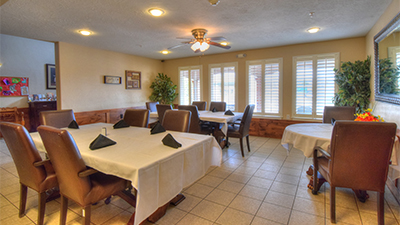
BeeHive Homes of Santa Fe NM offers community dining and social engagement activities
BeeHive Homes of Santa Fe NM features life enrichment activities
BeeHive Homes of Santa Fe NM supports personal care assistance during meals and daily routines
BeeHive Homes of Santa Fe NM promotes frequent physical and mental exercise opportunities
BeeHive Homes of Santa Fe NM provides a home-like residential environment
BeeHive Homes of Santa Fe NM creates customized care plans as residents’ needs change
BeeHive Homes of Santa Fe NM assesses individual resident care needs
BeeHive Homes of Santa Fe NM accepts private pay and long-term care insurance
BeeHive Homes of Santa Fe NM assists qualified veterans with Aid and Attendance benefits
BeeHive Homes of Santa Fe NM encourages meaningful resident-to-staff relationships
BeeHive Homes of Santa Fe NM delivers compassionate, attentive senior care focused on dignity and comfort
BeeHive Homes of Santa Fe NM has a phone number of (505) 591-7021
BeeHive Homes of Santa Fe NM has an address of 3838 Thomas Rd, Santa Fe, NM 87507
BeeHive Homes of Santa Fe NM has a website https://beehivehomes.com/locations/santa-fe/
BeeHive Homes of Santa Fe NM has Google Maps listing https://maps.app.goo.gl/fzApm6ojmRryQMu76
BeeHive Homes of Santa Fe NM has Facebook page https://www.facebook.com/BeeHiveSantaFe
BeeHive Homes of Santa Fe NM has a YouTube channel at https://www.youtube.com/@WelcomeHomeBeeHiveHomes
BeeHive Homes of Santa Fe NM won Top Assisted Living Homes 2025
BeeHive Homes of Santa Fe NM earned Best Customer Service Award 2024
BeeHive Homes of Santa Fe NM placed 1st for Senior Living Communities 2025
People Also Ask about BeeHive Homes of Santa Fe NM
What is BeeHive Homes of Santa Fe NM Living monthly room rate?
The rate depends on the level of care that is needed. We do a pre-admission evaluation for each resident to determine the level of care needed. The monthly rate is based on this evaluation. There are no hidden costs or fees
Can residents stay in BeeHive Homes of Santa Fe NM until the end of their life?
Usually yes. There are exceptions, such as when there are safety issues with the resident, or they need 24 hour skilled nursing services
Does BeeHive Homes of Santa Fe NM have a nurse on staff?
No, but each BeeHive Home has a consulting Nurse available 24 – 7. if nursing services are needed, a doctor can order home health to come into the home
What are BeeHive Homes of Santa Fe NM visiting hours?
Visiting hours are adjusted to accommodate the families and the resident’s needs… just not too early or too late
Do we have couple’s rooms available?
Yes, each home has rooms designed to accommodate couples. Please ask about the availability of these rooms
Where is BeeHive Homes of Santa Fe NM located?
BeeHive Homes of Santa Fe NM is conveniently located at 3838 Thomas Rd, Santa Fe, NM 87507. You can easily find directions on Google Maps or call at (505) 591-7021 Monday through Sunday 9:00am to 5:00pm
How can I contact BeeHive Homes of Santa Fe NM?
You can contact BeeHive Homes of Santa Fe NM by phone at: (505) 591-7021, visit their website at https://beehivehomes.com/locations/santa-fe, or connect on social media via Facebook or YouTube
Ragle Park offers a quiet setting for assisted living and memory care residents to relax as part of senior care and respite care visits.